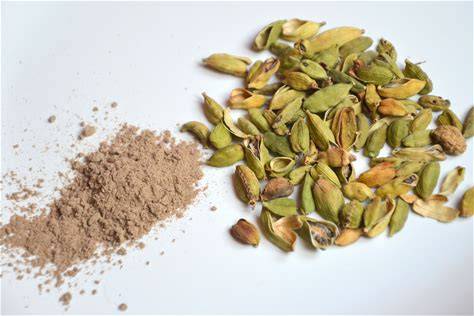
Cardamom, is a highly aromatic spice which are primarily native to the Indian subcontinent and Indonesia, where they thrive in tropical climates and are cultivated for their unique flavor profiles. They are easily recognized by their distinctive small seed pods: triangular in cross-section and spindle-shaped, each pod encased in a thin, papery outer shell that protects the small, black seeds inside.
Cardamom benefits extend beyond culinary uses. This spice is rich in antioxidants that may protect the brain from neurodegenerative diseases, reduce inflammation, and lower heart disease risk. It also promotes digestive health by soothing the stomach and relieving bloating.
Inflammation
Cardamom extracts possess anti-inflammatory properties due to bioactive compounds like phenols, flavonoids, terpenoids, tannins, and alkaloids. A study involving prediabetic participants found that those taking a 3-gram daily cardamom supplement for eight weeks experienced significant reductions in high-sensitivity C-reactive protein (hs-CRP), an inflammation marker, compared to those on a placebo.
Metabolic syndrome and diabetes
Some studies suggest that cardamom may aid certain aspects of metabolic syndrome, a cluster of conditions that can lead to heart disease and type 2 diabetes. It includes:
- belly fat
- high blood sugar
- hypertension or high blood pressure
- high triglycerides
- low levels of “good” HDL cholesterol
In a 2021 review, a clinical trial with women having obesity and prediabetes found that 3 g of cardamom taken for two months significantly reduced total cholesterol and LDL, or “bad” cholesterol, while protecting HDL, or “good” cholesterol.
A 2023 meta-analysis of 8 studies found that cardamom significantly reduced inflammatory markers (CRP, TNF, IL-6) and blood pressure, leading to lower levels of C-reactive protein and other health-contributing markers among participants.
Heart health
Some research links cardamom to heart health, but more studies are needed to understand its effects. A 2024 study indicated that bioactive compounds in cardamom may improve cardiovascular health by enhancing inflammation and blood lipids like cholesterol and triglycerides.
Cholesterol and Triglycerides
Cardamom may help lower cholesterol and triglyceride levels, but the research is mixed. Some animal studies suggest it can reduce total cholesterol, LDL (bad) cholesterol, and triglycerides, all linked to heart disease. However, human studies show unclear results, with some finding only a reduction in triglycerides. Overall, while cardamom might help lower triglycerides, more research is needed on its effects on cholesterol in humans.
Liver health
In Ayurvedic medicine, cardamom is used for its detoxifying properties. Although the scientific evidence is limited, it may support liver health essential for toxin removal. One study found that cardamom reduced liver damage from tamoxifen, a breast cancer medication, but further human studies are needed. It may also alleviate oxidative stress from acetaminophen poisoning.


Leave a Reply