Researchers from Imperial’s School of Public Health have conducted the most thorough study so far on the link between ultra-processed foods and the risk of developing cancer. Ultra-processed foods are items that go through a lot of processing during production, like fizzy drinks, packaged breads, many ready meals, and most breakfast cereals. These foods are... Continue Reading →
EU Bans TPO in Gel Nail Polish: Health Implications
The European Union has banned trimethylbenzoyl diphenylphosphine oxide (TPO), a chemical used in gel nail polish, due to health concerns regarding its reproductive toxicity. While the UK has not yet enforced this ban, one is expected by late 2026. The decision raises industry concerns about economic impacts and regulatory measures.
Health Benefits of Red Grapes for Your Heart
Red grapes are beneficial for cardiovascular health due to their high antioxidant content, including polyphenols like resveratrol and quercetin. These compounds reduce inflammation, improve blood vessel function, and can lower blood pressure. Grapes also provide potassium and may help reduce cholesterol levels while enhancing cardiac muscle performance. Moderation is key.
The Health Benefits of Oatmeal: Nutritional Insights
Oatmeal is a product made from oats that have undergone de-husking, steaming, and flattening, or it may refer to a coarse flour produced from hulled oat grains (groats) that have been milled (ground), rolled, or steel-cut. Ground oats are commonly designated as white oats, which are often favored for their smooth texture and quick preparation... Continue Reading →
The Health Benefits of Carob: A Nutritious Alternative to Chocolate
Carob, (Ceratonia siliqua), is a tree belonging to the pea family (Fabaceae) that is cultivated for its edible pods. This species is indigenous to the eastern Mediterranean region and has been propagated in various other areas. The mature, dried pods may be processed into a powder resembling cocoa in flavor, and carob powder, chips, and... Continue Reading →
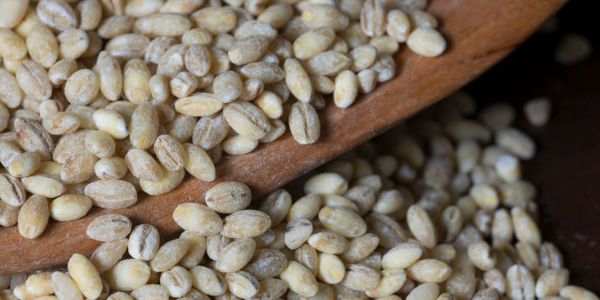
Health Benefits of Barley: A Nutritious Grain
Barley is a nutritious whole grain in the American diet, offering health benefits such as improved digestion, weight loss, and lower cholesterol. It is rich in vitamins, minerals, and fiber, particularly soluble fiber like beta-glucan, which aids satiety and heart health. Regular barley consumption may reduce heart disease risk by lowering blood pressure and LDL cholesterol levels.
Exploring the Health Benefits of Cactus Fruit
Cactus fruit, derived from the Opuntia cactus, is nutrient-rich and delicious, usable in various recipes. Packed with vitamins, antioxidants, and fiber, it offers health benefits like improved digestion, lower cholesterol, and enhanced immune function. Its diverse colors signify different flavors and ripeness, adding visual appeal to culinary dishes and promoting wellness.
7 Health Benefits Of Herring
Herring, a vital part of marine ecosystems, serves as both predator and prey, regulating the delicate balance of the food web. Its annual migration and reproductive strategy significantly impact marine environments. Additionally, herring is a rich source of omega-3 fatty acids, high-quality protein, vitamins, and minerals, offering various health benefits. In cooking, it is used in dishes like pickled herring and herring fillets, adding distinct flavor profiles.
10 Health Benefits Of Black Velvet Tamarind
The black velvet tamarind, native to West Africa, is a tropical fruit valued for its tart flavor and nutritional benefits. Rich in vitamin C, it boosts immunity, aids digestion, and provides energy. Additionally, it offers anti-inflammatory and antioxidant effects, supports bone health and vision, and may help regulate blood pressure and aid in weight management.
8 health Benefits Of Catfish
Catfish, scientifically known as Siluriformes, are freshwater fish characterized by their lack of scales and presence of taste buds. They possess unique anatomical features such as strong fins and whisker-like barbels for sensing prey. Catfish also offer health benefits, being rich in Omega-3 fatty acids, high in protein, and low in mercury. Various types of catfish exist, each with distinct characteristics and habitats.