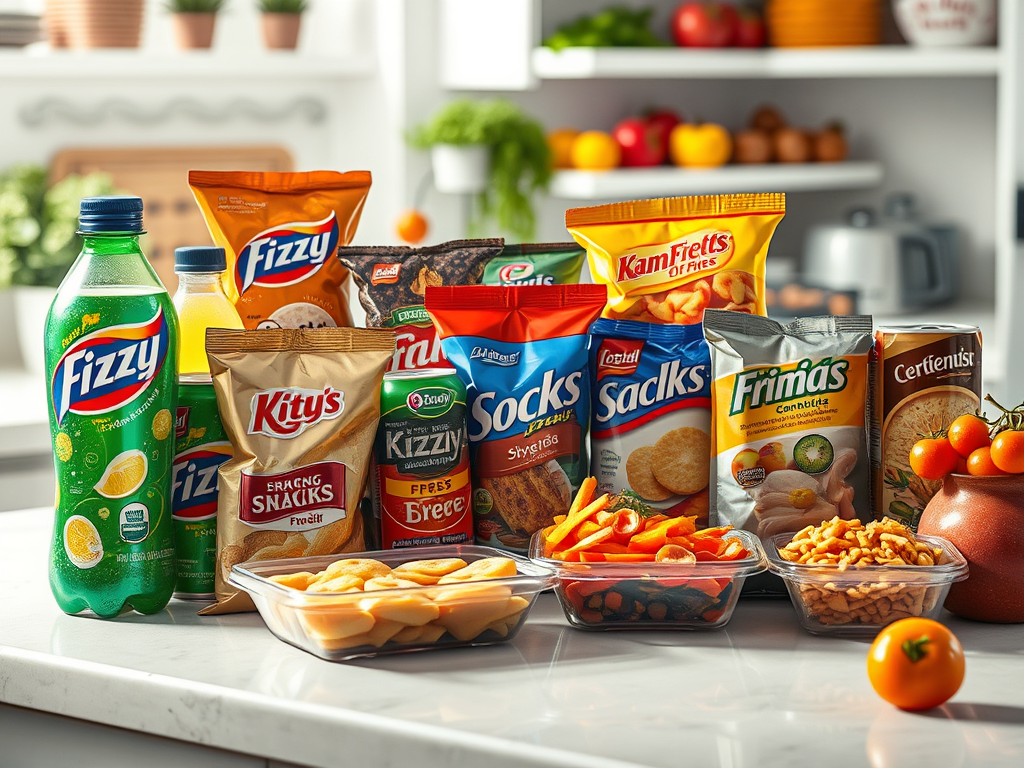
Researchers from Imperial’s School of Public Health have conducted the most thorough study so far on the link between ultra-processed foods and the risk of developing cancer. Ultra-processed foods are items that go through a lot of processing during production, like fizzy drinks, packaged breads, many ready meals, and most breakfast cereals.
These foods are often cheap, easy to find, and marketed as healthy options. However, they tend to be higher in salt, fat, and sugar, and include artificial ingredients. It’s now well known that they are associated with various health problems, including obesity, type 2 diabetes, and heart disease.
Ultra-processed foods are products that have been significantly modified from their original form through industrial processes and often contain ingredients that are not typically found in a home kitchen, such as artificial flavors, preservatives, coloring agents, and sweeteners.
These foods are generally packaged and marketed for convenience and often have a long shelf life, encompassing items like sugary snacks, instant noodles, soft drinks, and ready-to-eat meals.
Dr. Kiara Chang, the lead author of the study from Imperial College London’s School of Public Health, stated: “The average person in the UK gets over half of their daily energy from ultra-processed foods. This is very high and worrying because these foods are made with industrial ingredients and often contain additives to change their color, taste, texture, or to make them last longer.”
“Our bodies may not react the same way to these ultra-processed ingredients and additives as they do to fresh and nutritious minimally processed foods. However, ultra-processed foods are everywhere and highly marketed with cheap price and attractive packaging to promote consumption. This shows our food environment needs urgent reform to protect the population from ultra-processed foods.”
Many countries are trying to reduce ultra-processed food consumption. Brazil, France, and Canada are updating their dietary guidelines to limit these foods, and Brazil has even banned their marketing in schools. However, the UK hasn’t taken similar action yet.
Dr. Chang said: “We need clear warning labels on ultra-processed foods to help consumers choose better, and our sugar tax should include ultra-processed fizzy drinks, fruit drinks, milk drinks, and other ultra-processed products.”
“Lower income households are particularly vulnerable to these cheap and unhealthy ultra-processed foods. Minimally processed and freshly prepared meals should be subsidised to ensure everyone has access to healthy, nutritious and affordable options.”
 DoctorPanie
Leave a comment