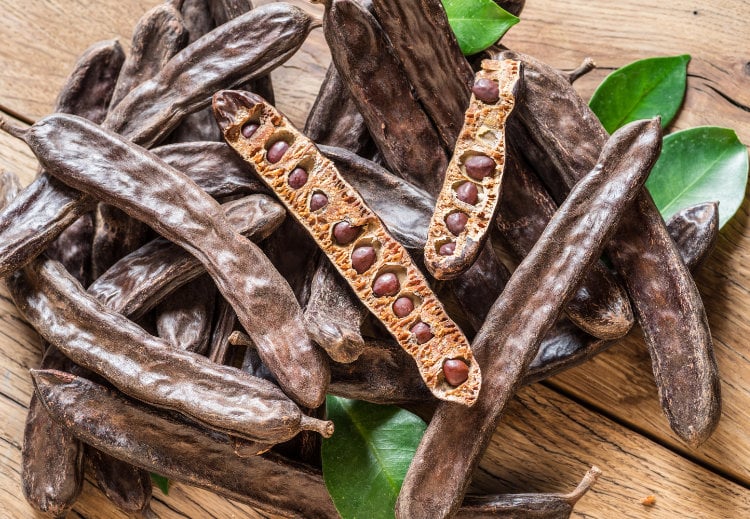
Carob, (Ceratonia siliqua), is a tree belonging to the pea family (Fabaceae) that is cultivated for its edible pods. This species is indigenous to the eastern Mediterranean region and has been propagated in various other areas. The mature, dried pods may be processed into a powder resembling cocoa in flavor, and carob powder, chips, and syrups are frequently utilized as alternatives to chocolate in health-oriented products.
The tree, measuring approximately 15 meters (50 feet) in height, exhibits pinnately compound (feather-like) glossy evergreen leaves featuring thick leaflets. The red flowers are succeeded by flat, leathery pods ranging from 7.5 to 30 cm (3 to 12 inches) in length. These pods enclose 5 to 15 hard brown seeds, which are encased in a sweet, edible pulp.
Health benefits in Summary
Carob fruit is packed with various health benefits, including its high fiber content that aids digestion and helps in maintaining a healthy weight. Additionally, it is rich in antioxidants, which can help combat oxidative stress and reduce the risk of chronic diseases. Carob is also a natural source of essential vitamins and minerals such as calcium, potassium, and magnesium, which are vital for bone health and overall body function. Its naturally low fat and no caffeine make it a suitable alternative to chocolate, making it an excellent choice for those with dietary restrictions or sensitivities.
Uses & Effectiveness
Possibly Effective for
- Diarrhea. Drinking juice from raw carob bean or taking carob pod powder by mouth before taking the standard oral rehydration solution (ORS) seems to reduce how long diarrhea lasts in children and infants, potentially providing a natural remedy that complements medical treatments and stays within the guidelines of maintaining hydration and electrolyte balance during episodes of gastrointestinal distress.
- High cholesterol. Taking carob by mouth seems to reduce total cholesterol and low-density lipoprotein (LDL or “bad”) cholesterol in people with moderately high cholesterol, thereby contributing to better heart health and potentially lowering the risk of cardiovascular diseases over time.
There exists considerable interest in utilizing carob for a variety of additional applications; however, there is insufficient reliable information to ascertain its potential benefits.
 DoctorPanie
Leave a comment