In the formative stages of life, children undergo significant growth and development, particularly within the realm of brain performance. During this pivotal period, it is crucial to provide appropriate nutrition. This nutrition enhances their cognitive capabilities. It also aids in memory retention. Furthermore, it supports overall cerebral health. This article explores several brain-boosting foods. These can be integrated into the dietary regimens of toddlers and children. The goal is to support their neurological development.
Key Nutrients for Brain Health
- Omega-3 Fatty Acids: Crucial for the integrity and functionality of cerebral structures, particularly in the synthesis of cellular membranes.
- Iron: Essential for the transport of oxygen to the brain and the synthesis of neurotransmitters.
- Zinc: Plays a crucial role in various brain functions, encompassing synaptic plasticity and the processes of memory formation.
- Choline: Essential for the synthesis of acetylcholine, a neurotransmitter that plays a significant role in memory and learning functions.
- Vitamins A, C, and E: These vitamins serve as antioxidants that safeguard the brain against oxidative stress.
- B Vitamins: Important for energy production and the synthesis of neurotransmitters.
- Protein: Supplies amino acids that serve as the foundational elements of neurotransmitters. Brain-Boosting Foods for Toddlers and Kids
- Fatty Fish
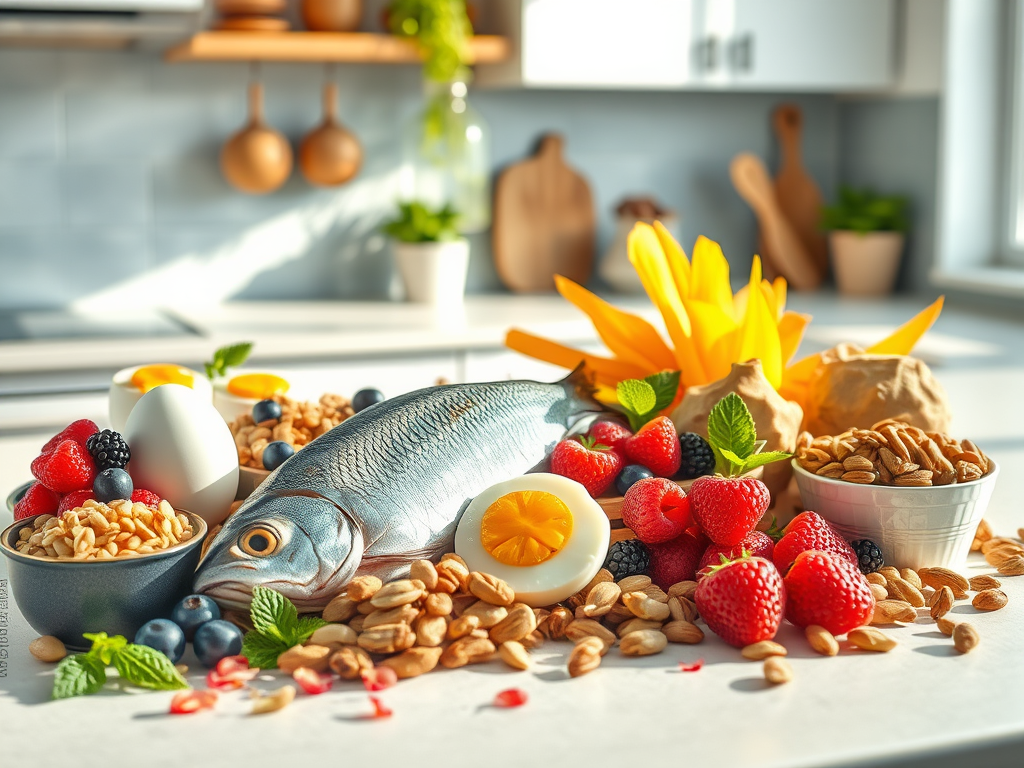
Fatty fish, including salmon, mackerel, and sardines, serve as rich sources of omega-3 fatty acids. They are particularly high in docosahexaenoic acid (DHA). This acid plays a crucial role in brain development. DHA constitutes a significant portion of the brain’s gray matter and is indispensable for cognitive functions. Incorporating fatty fish into a child’s diet at least twice a week may contribute positively to their brain health.
- Eggs
Eggs are an excellent source of choline. This nutrient is necessary for producing acetylcholine. Acetylcholine is a neurotransmitter involved in memory and learning. Additionally, eggs provide high-quality protein, essential vitamins, and minerals. Eating eggs for breakfast is a great way to start the day. This meal supports cognitive enhancement.
- Berries
Berries, such as blueberries, strawberries, and raspberries, are abundant in antioxidants. They are particularly rich in flavonoids. These flavonoids have been shown to enhance memory and cognitive function. These antioxidants assist in protecting the brain from oxidative stress and inflammation. Offering a variety of berries in a child’s diet can nurture brain health. This approach is both palatable and nutritious.
- Nuts and Seeds
Nuts and seeds are rich in essential fatty acids, protein, vitamins, and minerals. Notably, walnuts are high in omega-3 fatty acids, whereas almonds are a source of vitamin E, crucial for brain health. Chia seeds and flaxseeds also offer excellent sources of omega-3s. Adding a handful of nuts and seeds to a child’s snacks or meals can yield significant benefits for brain function.
- Whole Grains
Whole grains, such as oats, brown rice, quinoa, and whole wheat, provide a consistent supply of glucose. Glucose is the brain’s primary energy source. They are also composed of B vitamins, which are vital for optimal brain function. Start the day with a bowl of oatmeal. Include whole grain bread in meals to sustain energy levels. This can support cognitive processes.
- Leafy Greens
Leafy greens, such as spinach, kale, and broccoli, are abundant in vitamins and minerals. These include vitamin K, folate, and iron. All of these nutrients are essential for brain development. These vegetables are also rich in antioxidants that protect the brain from potential damage. Incorporating leafy greens into various meals—such as smoothies, salads, or stir-fries—can effectively enhance brain health.
- Dairy Products
Dairy products, including milk, yogurt, and cheese, serve as excellent sources of protein, calcium, and vitamin D. Calcium is critical for nerve function, while vitamin D supports both brain health and cognitive performance. Introducing dairy into a child’s diet can support overall brain development. It also supplies essential nutrients for growth.
- Lean Meat
Lean meats, such as chicken and turkey, are rich in high-quality protein. They are also rich in iron. Both nutrients are crucial for optimal brain function. Iron is necessary for the synthesis of neurotransmitters and the efficient transport of oxygen to the brain. Incorporating lean meats into meals can ensure that a child receives adequate protein and iron to foster cognitive development.
- Avocados
Avocados are replete with healthy monounsaturated fats that promote healthy blood circulation and support brain function. They also contain vitamins E and C, which possess antioxidant properties. Including avocados in salads can enhance a child’s brain health. You can also use them in sandwiches or as a spread.
- Beans and Legumes
Beans and legumes are exemplary sources of protein, complex carbohydrates, and iron. They provide a steady release of glucose, essential for cognitive function. Adding beans and legumes to meals like soups, stews, or salads can help sustain a child’s energy levels. They also support cognitive processes.
Tips for Incorporating Brain-Boosting Foods
- Variety: Ensure the child’s diet includes a wide range of brain-boosting foods to provide a comprehensive array of nutrients.
- Balanced Meals: Combine various food groups within each meal to ensure a balanced intake of proteins, fats, and carbohydrates.
- Healthy Snacks: Offer brain-boosting snacks, such as nuts, seeds, berries, and yogurt, between meals.
- Fun Recipes: Make meals enjoyable and visually appealing to encourage children to explore new foods. Involving them in meal preparation can heighten their interest in healthy eating.
- Limit Sugary and Processed Foods: Minimize the consumption of sugary foods. Avoid processed foods as they may adversely affect brain health and overall well-being.
 DoctorPanie
Leave a comment