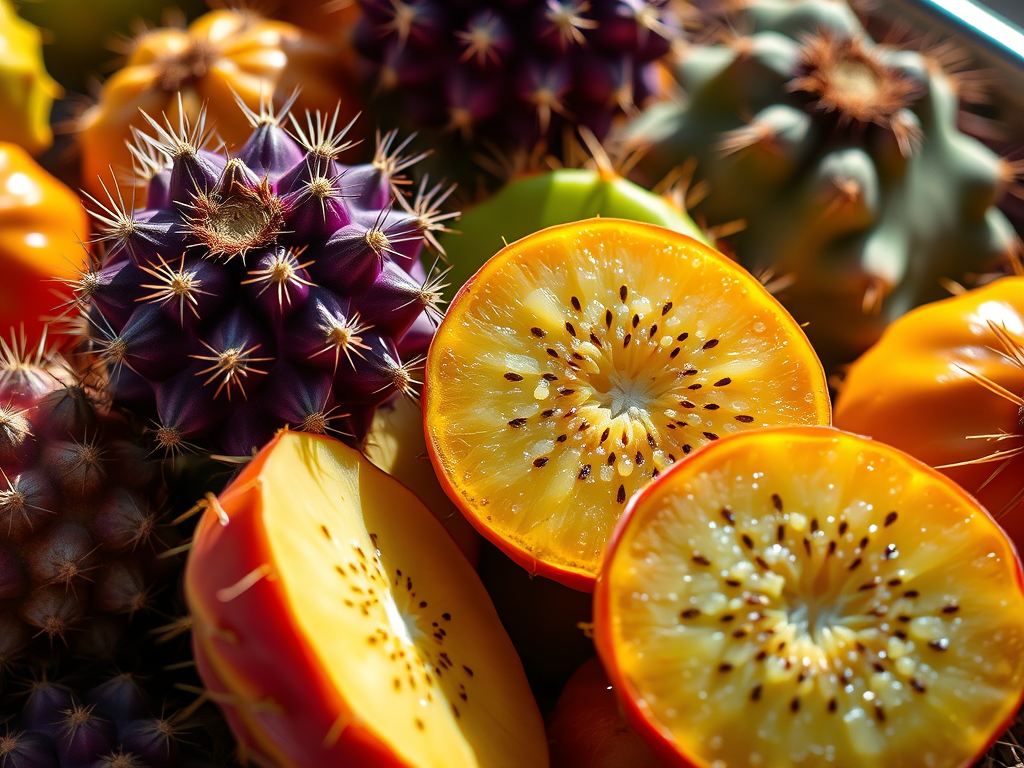
What Is Cactus Fruit?
Cactus fruit may look intimidating, but once you get past its spiny outsides, it yields a mild and nutrient-rich flesh that is both delightful and versatile. This vibrant fruit is not only delicious when eaten raw but also lends itself well to a variety of recipes, including salads, salsas, and desserts, or can be transformed into a refreshing beverage like smoothies or cocktails that capture the essence of summertime. Cactus fruit comes from the Opuntia cactus genus, which is native to Central America and the drier, desert parts of North America, thriving in arid landscapes where few other fruits can flourish. There are about 90 species of Opuntia in the United States alone, and all produce cactus fruits that range in color from deep purple to bright green, each with a unique flavor profile and texture, making them an exciting addition to any culinary adventure. The cactus fruit is not just delicious but also packed with health benefits, rich in antioxidants, vitamins, and minerals, promoting overall wellness and making it a popular choice for health-conscious consumers.
The fruit, both the flesh and the skin, ranges in color according to the variety, showcasing the incredible diversity found within the cactus family. Even within the most common species, Opuntia ficus-indica, you might see fruit that’s white, green, purple, yellow, red, or orange, each hue offering a unique flavor profile and texture. This vibrant assortment not only makes the fruit visually appealing but also adds an exciting twist to culinary applications, where the different colors are often used to enhance salads, smoothies, and desserts. Furthermore, the varying colors can also indicate different ripeness levels, with some fruits being preferred for certain dishes, while others are enjoyed for their distinct sweetness and juicy flesh.
Opuntia ficus-indica is a domesticated cactus used as a crop, while wild species also provide food; its fruit is known as prickly pear, cactus pear, and other names.
Cactus pads and fruit have been integral to indigenous cultures in Mexico for 9,000 to 12,000 years and are now cultivated in various regions including Mexico, the Mediterranean, and parts of the Southwestern United States.
Health Benefits of Cactus
Cactus plants have a number of nutrients that may be good for different aspects of your health: they are rich in vitamins, minerals, and antioxidants that can help boost your immune system, improve digestion, and provide hydration, making them a valuable addition to your diet. Moreover, certain compounds found in cacti, such as betalains and flavonoids, have been studied for their anti-inflammatory and antioxidant properties, which may aid in reducing the risk of chronic diseases while supporting overall well-being.
Cholesterol
Both the cactus pad and the cactus fruit are high in fiber, which can lower cholesterol levels in the blood. In addition to their cholesterol-lowering properties, these foods are also rich in essential vitamins and minerals, making them a nutritious addition to a balanced diet. The fiber content aids in digestion, promoting a healthy gut, while the antioxidants found in the cactus fruit help combat oxidative stress in the body. Incorporating cactus pads and fruit into your meals can provide a unique flavor while contributing to overall health and well-being.
Blood sugar
High blood sugar in the body can be a symptom of several illnesses, such as diabetes, stroke, or heart disease. These conditions can lead to serious health complications if not managed properly, making it essential to monitor blood sugar levels regularly. Some research shows that people who ate cactus pads on a regular basis had lower blood sugar than those that didn’t, suggesting that this particular food might have beneficial effects on glycemic control. The cactus pads, known for their high fiber content and low calorie count, may help improve insulin sensitivity, which is a crucial factor in managing blood sugar levels. More research is needed to determine the reasons for this, as understanding the mechanisms behind these effects could lead to new dietary recommendations and interventions for individuals at risk of developing high blood sugar and related health problems.
Immune system
Cactus fruits are an excellent source of vitamin C, which is one of the best immune boosters. Regular doses of vitamin C increase the production of white blood cells, which can help your body fight off viruses. Additionally, these vibrant fruits are not only nutritious but also provide a unique flavor profile, making them a delightful addition to various dishes. Incorporating cactus fruits into your diet can enhance your overall health, as they are rich in antioxidants, promoting cellular health and reducing inflammation. With their high fiber content, they can aid digestion and contribute to a balanced diet, ensuring that your immune system remains strong and alert.
Digestion
The betalain and potassium content in cactus are good for digestion, contributing significantly to overall gut health. Potassium not only helps your body absorb essential nutrients more effectively but also plays a crucial role in regulating fluid balance and muscle contractions. This vital mineral aids in enzymatic functions, which are necessary for proper digestion. Meanwhile, betalains, known for their powerful anti-inflammatory properties, help to protect and soothe your digestive tract, potentially reducing irritation and supporting the healing of gut lining. Additionally, the dietary fiber found in cactus can further enhance digestive health by promoting regular bowel movements and fostering a healthy gut microbiome, creating a multifaceted approach to improving digestive function.
Cactus Nutrition
Cactus fruits and pads are rich in vitamins and nutrients with anti-inflammatory benefits.
These include:
- Vitamin C
- Vitamin A
- Potassium
- Calcium
- Manganese
- Copper
- Iron
- Omega-3s
Nutrients per serving
A 1-cup serving of raw, unsalted cactus contains:
- Calories: 24
- Protein: 1.98 grams
- Fat: 0.135 grams
- Carbohydrates: 5 grams
- Fiber: 3.3 grams
- Sugar: 1.72 grams
 DoctorPanie
Leave a comment