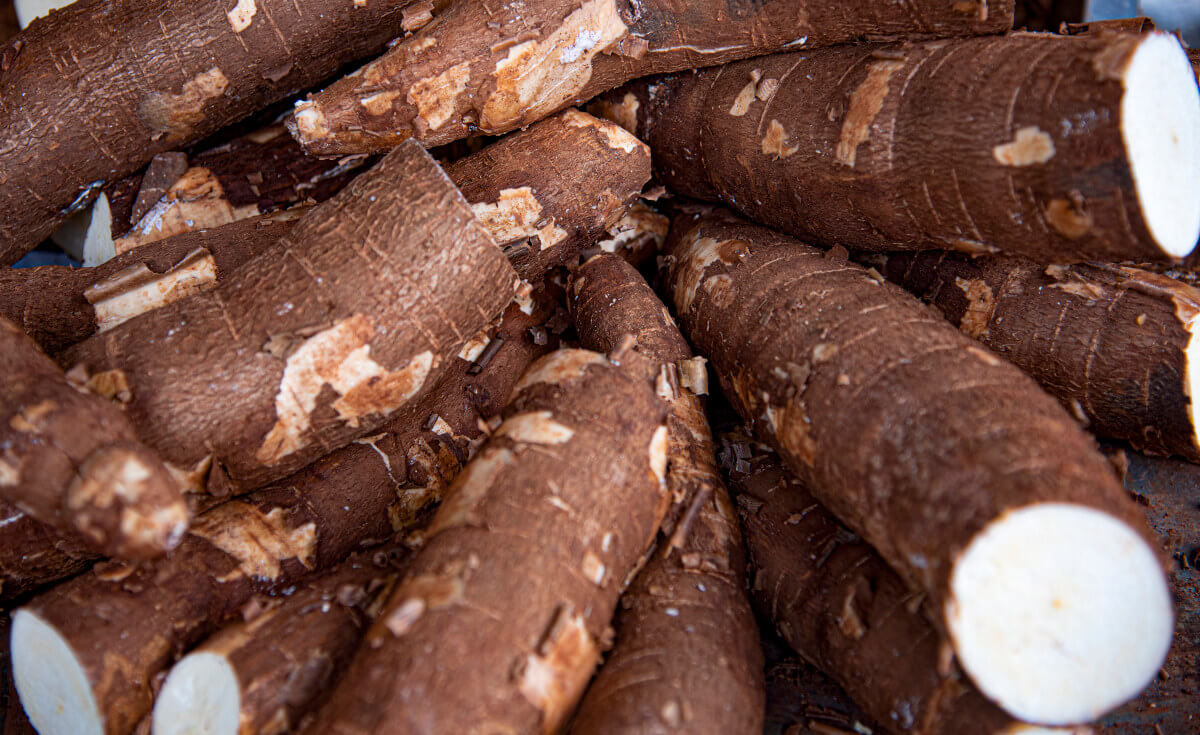
Cassava is a root vegetable extensively consumed across numerous countries worldwide, particularly in tropical and subtropical regions where it serves as a staple food for millions. It offers a variety of essential nutrients, including resistant starch, which may confer health benefits pertaining to digestive health and the regulation of blood sugar levels. Furthermore, cassava is abundant in carbohydrates, rendering it an energy-dense food particularly advantageous for individuals engaged in strenuous physical activity. Nonetheless, as with all dietary items, it is imperative to consume cassava in moderation to mitigate potential adverse effects. This caution is particularly pertinent given its relatively high caloric content and the presence of potentially harmful chemicals, such as cyanogenic glycosides, which can yield cyanide if cassava is improperly prepared or consumed in excessive quantities. Thus, it is essential to ensure that cassava undergoes appropriate processing and cooking. This article endeavors to examine the distinct properties of cassava to ascertain its healthfulness and safety for inclusion in one’s diet, while also addressing traditional preparation methods that enhance its nutritional profile and safety.
Contains resistant starch
Cassava is characterized by a high concentration of resistant starch, a specific type of starch that evades digestion and exhibits properties akin to those of soluble fiber. The consumption of foods rich in resistant starch may confer several health benefits. Primarily, resistant starch serves as a substrate for the beneficial bacteria residing in the gastrointestinal tract and may aid in diminishing inflammation while promoting digestive health. Furthermore, research has indicated that resistant starch can enhance metabolic health and mitigate the risks associated with obesity and type 2 diabetes. These advantages are likely linked to improved management of blood glucose levels, heightened sensations of satiety, and a reduction in appetite. It is important to note that processed cassava products, such as tapioca, generally contain lower amounts of resistant starch compared to that found in cooked cassava root. Notably, the refrigeration of cooked cassava root may further augment its resistant starch content.
Good source of vitamin C
Cassava provides a significant amount of vitamin C, delivering 20% of the Daily Value (DV) in each 3.5-ounce (100-gram) serving. This vital vitamin is instrumental in numerous aspects of health, including immune function and dermatological well-being. Research indicates that vitamin C can facilitate protection against oxidative stress and bolster the functionality of immune cells within the body, thereby enhancing the organism’s defense against infections and diseases. Furthermore, vitamin C is essential for promoting collagen synthesis, a pivotal protein necessary for preserving the structural integrity of various tissues throughout the body, such as bones, skin, muscles, and joints. In addition, vitamin C plays a crucial role in the wound healing process and aids in mitigating the risk of chronic illnesses, rendering it an indispensable nutrient for optimal health. Its antioxidant properties also counteract free radicals, which may enhance skin appearance and diminish signs of aging, thereby providing both aesthetic and healthful advantages.
High in calories
Cassava contains 191 calories per 3.5-ounce (100-gram) serving, which is considerable when compared with other root vegetables. For context, the equivalent serving size of sweet potatoes contains 90 calories, whereas the same quantity of carrots has merely 35 calories. Its elevated caloric content renders it a significant staple crop in numerous countries, particularly in tropical regions where it serves as a primary source of energy for many communities. The versatility of cassava enables it to be prepared in various manners, including boiling, baking, and frying, thus enhancing its appeal across diverse culinary traditions. However, it is imperative to recognize that consuming more calories than expended can lead to weight gain over time, which necessitates careful monitoring of portion sizes. Consequently, it is advisable to consume cassava in moderation as part of a balanced diet that encompasses a variety of other vegetables, fruits, and whole grains. Generally, nutritionists recommend adhering to a serving size of approximately 1/3–1/2 cup (73–113 grams) to maximize its benefits without excess, ensuring that it aligns with daily caloric requirements while contributing to overall nutritional intake.
Is cassava toxic?
Eating raw cassava is dangerous due to its cyanide content, which can be toxic; proper soaking and cooking eliminate these harmful compounds. Ingesting improperly prepared cassava can lead to serious health risks, even in regions where it is commonly consumed.
- Paralysis of the lower extremities in pediatric patients
- Insufficient levels of iodine
- heightened risk of goiter
- tropical ataxic neuropathy, a condition common in older adults that causes loss of feeling in the hands, poor vision, weakness, and walking problems
- intoxication leading to eventual fatality
In addition to its naturally occurring cyanide content, cassava possesses the ability to absorb pollutants from its surrounding environment, which may be in proximity to roads and industrial facilities.
The contaminants that cassava plants have the potential to absorb and subsequently convey to humans include:
- trace metals
- pesticides
- herbicides
 DoctorPanie
Leave a comment