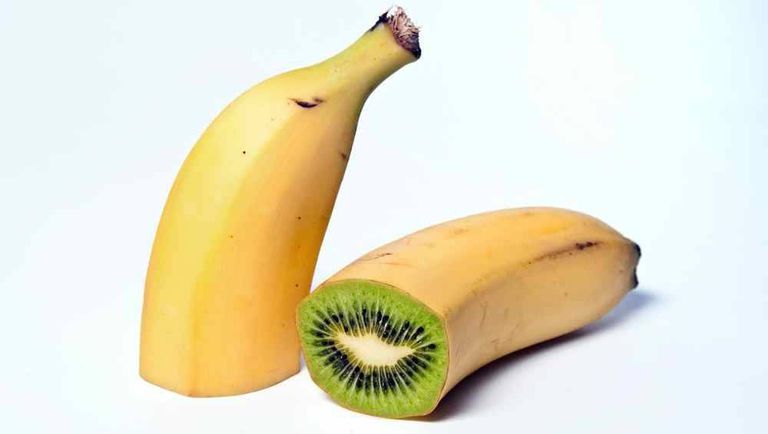
What Is A GMO?
GMO (genetically-modified organism) is an organism with genetic material that is altered by introducing a piece of foreign DNA containing the desired character. The technique responsible for the production of a GMO is genetic engineering, a field that has revolutionized agriculture and biotechnology. Through genetic engineering, scientists can selectively change the genetic makeup of plants and animals to enhance desired traits like resistance to pests, diseases, or environmental stresses, as well as improved nutritional content. This has led to the creation of various types of GMOs, each with unique characteristics and applications. Also, to cisgenic and transgenic GMOs, there are also intragenic and subgenic GMOs, each offering a different approach to genetic modification and potential benefits in various fields ranging from medicine to environmental conservation. These advancements have sparked considerable debate and controversy surrounding the safety, regulation, and ethical implications of GMOs in our food supply and ecosystems. Despite the polarized opinions, GMOs continue to play a significant role in shaping the future of agriculture and biotechnology.
Furthermore, the use of plasmid vectors in genetic engineering has revolutionized the field by allowing the transportation of foreign DNA into host cells with precision and efficiency. This breakthrough has paved the way for the creation of genetically modified organisms (GMOs), which play a crucial role in modern agriculture and biotechnology. By introducing desirable traits such as resistance to pests and diseases, improved nutritional content, and the ability to produce valuable pharmaceutical compounds, GMOs have the potential to address various challenges in food production and healthcare. These advancements have also extended to the modification of farm animals, crop plants, and soil bacteria, offering opportunities to optimize agricultural performance, increase crop yields, and contribute to the sustainable production of essential resources.
What Is A Hybrid Organism?
A hybrid organism often inherits a combination of traits from its two parent organisms, resulting in a unique blend that may exhibit characteristics from both but not necessarily equally. This diversity can contribute to the organism’s adaptability to different environments. In addition to the natural and artificial methods mentioned, hybridization can occur through various techniques, such as grafting in horticulture, where the tissues of two different plants are combined to create a new hybrid plant with desirable traits. Furthermore, the study of hybrids is not limited to just organisms; it also extends to fields like technology, where hybrid systems combine the features of different technologies to enhance performance and functionality. These examples illustrate the widespread impact and applications of hybridization across various disciplines.
Sometimes, artificial cross-breeding can increase productivity and longevity in animals by combining favorable traits from different breeds. By carefully selecting parent animals with desired characteristics, breeders can improve the overall health and quality of the offspring. This approach not only enhances the milk production of cattle, but also contributes to the development of new breeds with desirable traits such as disease resistance, adaptability to different environments, and improved meat quality. Moreover, the practice of artificial cross-breeding can lead to the creation of dogs and horses with new and unique combinations of skills, temperaments, and physical attributes, fulfilling various needs and purposes within the diverse spectrum of human-animal relationships.
Similarities Between GMO and Hybrid
- GMO and hybrid are two types of organisms produced by man through artificial genetic manipulation. These organisms are often developed with specific traits in mind, such as resistance to pests or harsh environmental conditions, and are a subject of ongoing debate regarding their potential impact on ecosystems and human health.
- Both organisms have the desired traits.
Difference Between GMO and Hybrid
Definition
GMOs, or genetically modified organisms, have been a subject of intense debate in recent years, with proponents and opponents sharing varying perspectives on their safety, environmental impact, and long-term effects. Genetic engineering techniques are utilized to alter the genetic material of these organisms, often with the aim of enhancing traits such as resistance to pests, ability to withstand harsh environmental conditions, or nutritional content. On the other hand, hybrids are the result of crossing genetically dissimilar parents or stock, with the goal of combining desirable traits from each parent. This process often occurs in agricultural contexts to create plants or animals with improved characteristics, such as higher yields or disease resistance. In essence, while GMOs involve direct genetic modification, hybrids are a product of natural or assisted crossbreeding. Understanding the distinctions between these two approaches is crucial in the ongoing discourse surrounding genetic manipulation and its implications for agriculture, the environment, and human health.
Natural or Artificial
Moreover, GMO (Genetically Modified Organism) refers to any organism whose genetic material has been altered using genetic engineering techniques. This can involve the insertion of genes from one species into another to achieve a desired trait, such as resistance to pests or tolerance to herbicides. On the other hand, a hybrid can be the result of crossbreeding between two different but related species, or through artificial manipulation to combine desirable traits from different varieties. It’s important to note that while GMOs are solely the product of artificial genetic manipulation, hybrids can occur naturally or be facilitated through human intervention, making the distinction between these two methods of genetic modification significant in agricultural and environmental contexts.
Techniques
Furthermore, genetic engineering involves the deliberate modification of an organism’s genetic material, often by inserting or deleting genes. This can be achieved through various methods such as gene splicing and gene editing techniques like CRISPR. On the other hand, cross-breeding is a traditional method in which the genetic material of two different varieties is combined through sexual reproduction, resulting in offspring with a combination of traits from both parents. These methods of genetic manipulation lead to differences in the way traits are inherited and expressed, further highlighting the distinctions between GMOs and hybrids. The precision and control offered by genetic engineering allow for specific changes to be made to an organism’s genetic makeup, while cross-breeding relies on the natural recombination of genetic material through successive generations. These differences have implications for the characteristics and stability of the resulting organisms, making it essential to understand the distinct processes involved in creating GMOs and hybrids.
Types of Organisms
Besides, a GMO has an introduced piece of foreign DNA that belongs to the same or different species while a hybrid is the offspring of either different varieties, breeds or species. In the case of genetically modified organisms, the introduction of foreign DNA is aimed at conferring specific traits, such as resistance to certain pests or tolerance to herbicides. On the other hand, hybrids can occur naturally or be intentionally created through controlled breeding programs, resulting in offspring with a combination of desirable traits from the parent varieties, breeds, or species. This distinction is crucial in the agricultural and biological fields, as it affects the way in which new plant and animal varieties are developed and utilized.
Importance
Also, a GMO can produce a desired trait while a hybrid has a vigor, which lies between the two parental organisms. GMOs, or genetically modified organisms, are often created through the insertion of specific genes from one organism into the DNA of another, leading to the expression of desired traits such as disease resistance or higher yields. On the other hand, hybrids are the result of cross-breeding two distinct parental organisms, combining their traits to create offspring with characteristics that lie between those of the parents. This interplay of genetics in both GMOs and hybrids exemplifies the diverse methods through which desired traits can be achieved in agricultural and biological contexts.
Disadvantages
While GMOs have been a topic of debate due to concerns about potential disease susceptibility, it’s worth noting that hybrid organisms also have their own set of weaknesses. In addition to the potential for disease susceptibility, GMOs have faced scrutiny for their impact on the environment and the ecosystem. On the other hand, hybrid organisms may exhibit weaknesses such as infertility, which has raised questions about long-term sustainability and genetic diversity. Consequently, the discussion surrounding the benefits and drawbacks of both GMOs and hybrid organisms continues to be a complex and multifaceted issue.
Conclusion
GMOs are organisms with foreign DNA introduced by genetic engineering, which can produce desirable characteristics. Hybrids result from cross-breeding but are often infertile, exhibiting hybrid vigor. The main difference between GMOs and hybrids lies in the type of genetic manipulation and the characteristics of the resulting organism.
 DoctorPanie
Leave a comment