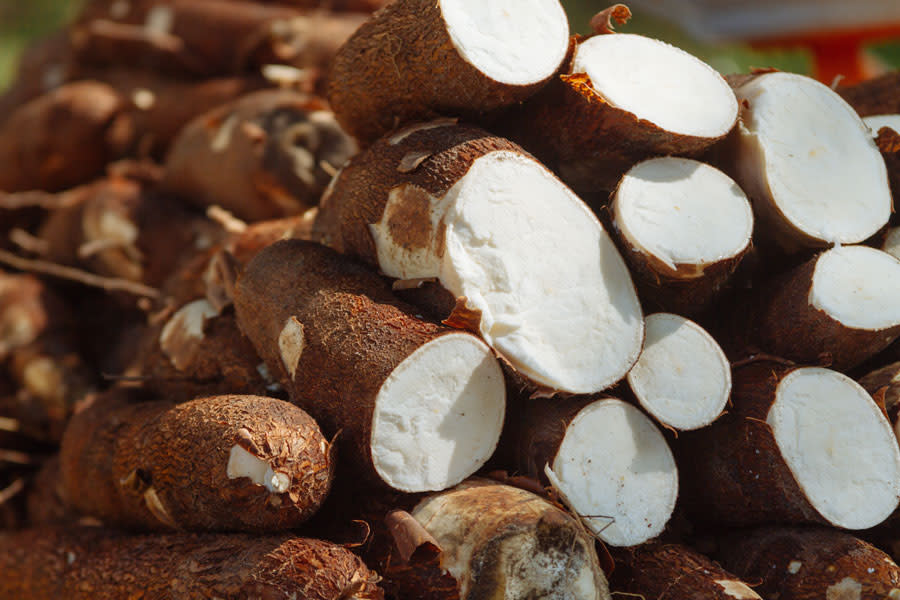
Cassava, also known as yuca or manioc, is a starchy root vegetable that is widely consumed in many parts of the world. It not only adds variety to meals but also offers several health benefits.
- Nutrient-rich: Cassava is rich in carbohydrates, fiber, and essential minerals like calcium, magnesium, and potassium. It also contains vitamins such as vitamin C, folate, and thiamine.
- Energy source: Due to its high carbohydrate content, cassava serves as an excellent energy source. It is an ideal food for athletes, individuals with high energy requirements, and those needing to recover from physical exertion or illness.
- Digestive health: The dietary fiber in cassava aids in digestion and promotes a healthy digestive system. It can help prevent constipation and improve overall bowel movements.
- Supports immune function: Cassava contains vitamin C, which is essential for a healthy immune system. A strong immune system helps to protect the body against illnesses and infections.
- Anti-inflammatory properties: Certain compounds found in cassava, such as saponins, have anti-inflammatory properties. Including cassava in your diet may help reduce inflammation in the body and alleviate certain inflammatory conditions.
- Blood sugar control: Cassava has a low glycemic index, meaning it does not cause a rapid and drastic rise in blood sugar levels. This makes it a suitable food choice for individuals with diabetes or those aiming to control their blood sugar levels.
- Promotes heart health: Cassava is free from cholesterol and unhealthy fats, making it heart-friendly. The fiber and potassium content in cassava contribute to maintaining good cardiovascular health.
- Bone health: Cassava contains calcium and magnesium, which are essential for maintaining strong bones and teeth. Regular consumption may help prevent conditions like osteoporosis.
- Boosts brain function: The folate present in cassava supports brain function and helps in the production of red blood cells. Adequate folate intake is particularly important during pregnancy for the development of the fetal brain and spinal cord.
- Gluten-free alternative: Cassava is naturally gluten-free, making it a suitable option for those with gluten sensitivities or celiac disease.
Remember that while cassava offers various health benefits, it is important to cook it properly to remove any potentially harmful substances. Additionally, moderation and balance are key when incorporating cassava into your diet.
 DoctorPanie
Leave a comment