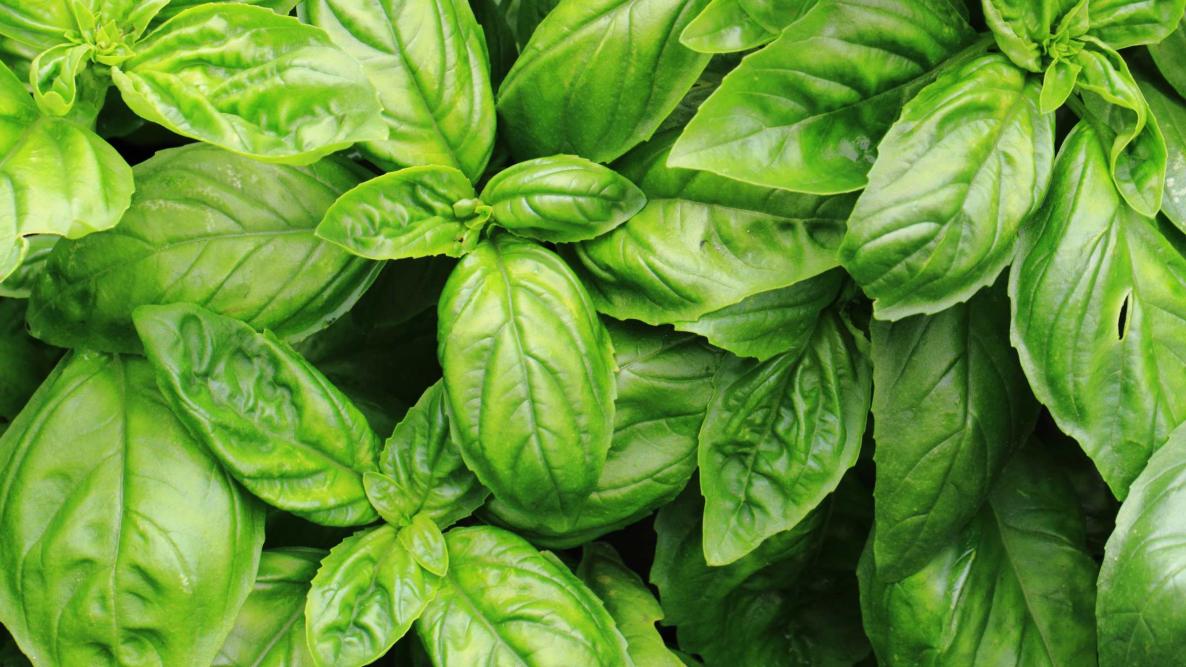
Basil is not only a flavorful herb but also offers a wealth of health benefits. This aromatic leafy green originated in India, but today it is cherished and cultivated in many parts of the world. Its distinct, sweet-scented flavor makes it a popular ingredient in various cuisines, while its medicinal properties have been utilized for centuries.
One of the key health benefits of basil is its powerful antioxidant properties. Rich in essential oils such as eugenol, basil helps protect the body’s cells against damage caused by free radicals, reducing the risk of chronic diseases. Additionally, these antioxidants contribute to a healthier immune system by neutralizing harmful pathogens and supporting overall immune function.
Basil also boasts anti-inflammatory properties, thanks to compounds like rosmarinic acid. Inflammation is associated with numerous health issues, including arthritis, cardiovascular diseases, and certain types of cancer. By incorporating basil into your diet, you may help reduce inflammation and promote overall well-being.
Moreover, the essential oils present in basil have been traditionally used for their antibacterial properties. They can help fight against various strains of bacteria that may cause infections in the body. Regular consumption of basil may support healthy digestion and contribute to a balanced gut flora.
In addition to its antioxidant, anti-inflammatory, and antibacterial properties, basil is believed to have potential anti-cancer properties. Studies have shown that certain compounds in basil, such as ursolic acid and apigenin, may inhibit the growth of cancer cells and reduce the risk of tumor formation. While more research is needed, these preliminary findings are promising.
Furthermore, basil contains essential nutrients like vitamins A, C, and K, as well as minerals like iron, calcium, and magnesium. These nutrients play vital roles in maintaining healthy bones, supporting cardiovascular health, and promoting optimal brain function.
Whether enjoyed fresh or dried, basil can be incorporated into a variety of dishes, including salads, soups, pasta sauces, and pesto. Its versatility and health benefits make it a valuable addition to any diet. However, it is important to note that individuals with certain medical conditions or who are taking specific medications should consult with their healthcare provider before making significant dietary changes.
In conclusion, basil is not just a culinary delight but also a herb with numerous health benefits. From its antioxidant and anti-inflammatory properties to its potential anti-cancer effects, basil offers a natural way to enhance overall well-being. So why not start incorporating this flavorful herb into your meals and enjoy the many advantages it has to offer?
 DoctorPanie
Leave a comment