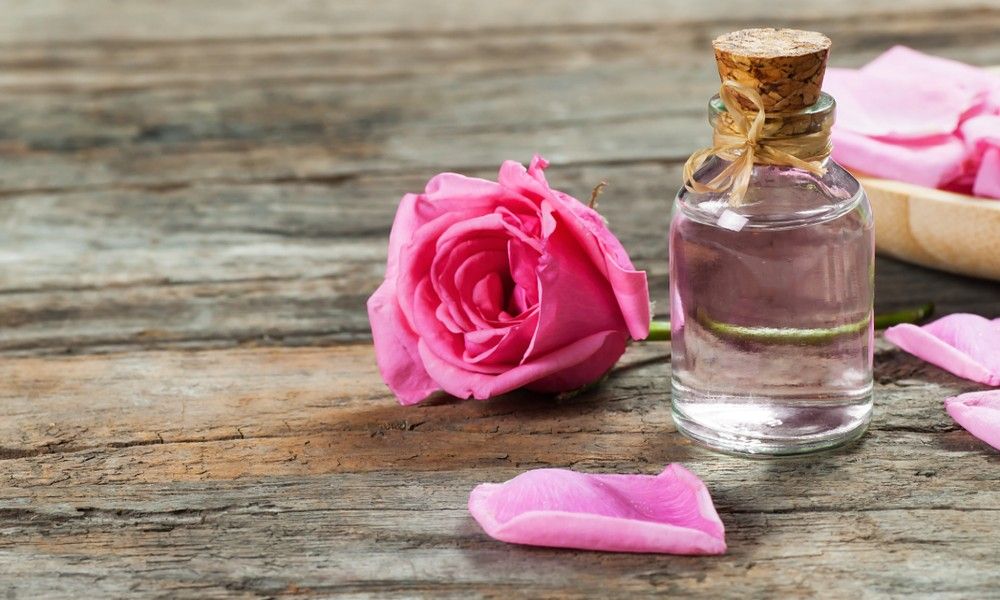
The health benefits of rose water for the skin are manifold. In addition to its wonderful scent, rose water has hydrating, soothing, and revitalizing properties for the skin. It is often used as a natural facial toner to help balance the skin’s pH and reduce redness and irritation.
Rose water is also an excellent skin cleanser as it helps remove impurities and unclog pores, which can help prevent breakouts. Furthermore, its anti-inflammatory properties can help soothe sensitive or acne-prone skin.
Apart from its purifying benefits, rose water is also rich in antioxidants, making it an excellent ally in fighting premature signs of aging. It can help tone the skin, reduce the appearance of wrinkles and fine lines, and give your complexion a natural and revitalized glow.
Lastly, rose water can also be used to soothe mild sunburns, itching, and skin irritations. Its refreshing and calming effect can help soothe the skin and alleviate discomfort.
In summary, rose water is a versatile and natural ingredient that offers numerous health benefits for the skin. Whether as a toner, cleanser, or ingredient in your skincare products, incorporating rose water into your beauty routine can help you achieve radiant and healthy skin.
How to extract rose water
Rose water is a fragrant liquid that is derived from rose petals. It has been used for centuries for its various beauty and health benefits. Not only does it have a wonderful scent, but it also has soothing and hydrating properties for the skin. Rose water can be easily extracted at home using the following method:
- Gather fresh rose petals: Make sure to use organic and pesticide-free rose petals for the best results. Collect a handful of petals from fully bloomed roses.
- Rinse the petals: Gently rinse the petals under running water to remove any dirt or impurities.
- Place the petals in a pot: Take a clean pot and add the rose petals to it. Make sure to use a pot with a tight-fitting lid to trap the aromatic steam during the extraction process.
- Add water: Pour enough water into the pot to just cover the rose petals. Distilled or filtered water is preferred, but tap water can also be used if it is safe for consumption.
- Simmer the petals: Place the pot on the stove over low heat and let the water simmer. Keep the lid on to prevent the steam from escaping. Allow the petals to simmer for about 20-30 minutes or until they have lost their color.
- Strain the rose water: Once the petals have simmered, remove the pot from the heat and let it cool for a few minutes. Then, carefully strain the liquid into a clean glass container using a fine mesh sieve or cheesecloth. Press the petals with a spoon to extract any remaining liquid.
- Store and use: Transfer the rose water into a sealed bottle or jar and keep it in a cool, dark place. It can be stored for several weeks. You can use rose water as a facial toner, in homemade beauty treatments, or even to add a delightful rose flavor to your culinary creations.
Remember, the quality of the rose water largely depends on the quality of the roses used. So, always choose fresh and fragrant roses to get the best results. Enjoy the natural and soothing benefits of homemade rose water!
 DoctorPanie
Leave a comment