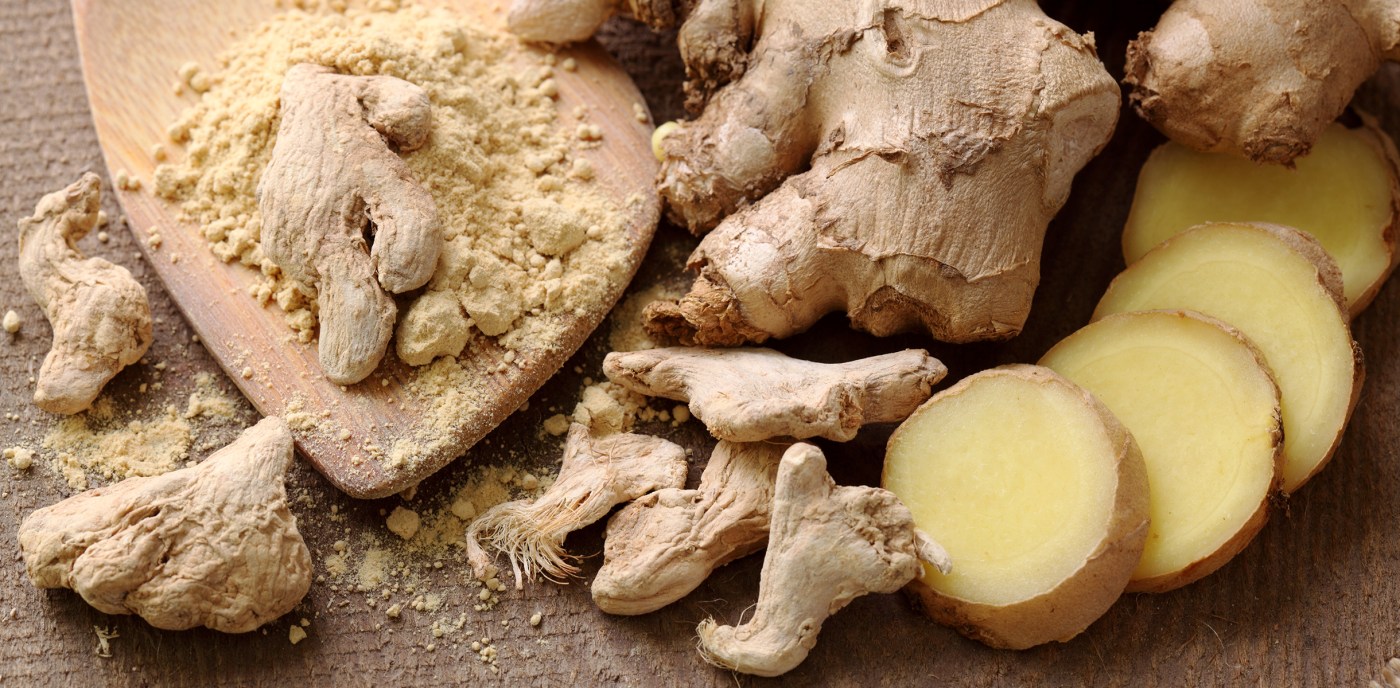
Ginger, with its unique flavor and extensive use in culinary traditions worldwide, is not only a delicious spice but also boasts an impressive array of health benefits. Let’s dive deeper into the many ways this humble root can enhance your well-being.
- Digestive Aid: Ginger has long been revered for its ability to soothe digestive issues. It aids in the secretion of digestive enzymes, which can improve digestion and alleviate common problems like bloating, indigestion, and stomach cramps. Additionally, ginger has been shown to help reduce nausea and vomiting, making it a popular remedy for motion sickness and morning sickness during pregnancy.
- Anti-Inflammatory Properties: Chronic inflammation is believed to be at the root of many diseases. Fortunately, ginger contains powerful anti-inflammatory compounds called gingerols, which have been found to reduce inflammation in the body. Regular consumption of ginger may help alleviate symptoms of inflammatory conditions such as arthritis, osteoarthritis, and rheumatoid arthritis.
- Immune-Boosting Abilities: The immune system plays a crucial role in defending the body against illness and infections. Ginger is known to have immune-stimulating properties that can help strengthen the immune system and enhance its ability to fight off infections. It also possesses antimicrobial properties, which may help in combating certain bacterial and fungal infections.
- Pain Relief: Ginger has natural analgesic properties that can provide relief from various types of pain. It has been found to be particularly effective in reducing muscle pain and soreness, making it a popular choice among athletes and individuals with an active lifestyle. Ginger’s pain-relieving effects are attributed to its ability to inhibit the production of inflammatory chemicals in the body.
- Heart Health: Maintaining a healthy heart is essential for overall well-being. Ginger has been shown to have cardio-protective properties, including the ability to lower blood pressure and reduce cholesterol levels. By improving blood circulation and reducing the risk of blood clots, ginger may contribute to a healthier cardiovascular system.
- Weight Management: If you’re looking to shed a few pounds or maintain a healthy weight, ginger can be a valuable ally. It aids in digestion, boosts metabolism, and helps suppress the appetite, which can contribute to weight loss or weight management efforts.
How Does Ginger Help The Brain?
Ginger, a versatile and aromatic herb, has long been praised for its numerous health benefits. While its use in culinary recipes is well-known, ginger also offers remarkable advantages for the brain.
One of the key components found in ginger is gingerol, a potent antioxidant and anti-inflammatory compound. These properties contribute to ginger’s potential in promoting brain health. Research suggests that gingerol may help protect against neurodegenerative diseases, such as Alzheimer’s and Parkinson’s, by reducing inflammation and oxidative stress in the brain.
Furthermore, ginger has been found to enhance cognitive function and memory. Studies conducted on both animals and humans have shown that consuming ginger extract or incorporating ginger into one’s diet can improve attention, reaction time, and working memory. These positive effects are thought to be attributed to ginger’s ability to increase levels of certain neurotransmitters in the brain, such as dopamine and acetylcholine.
In addition to its direct impact on brain health, ginger may also indirectly support cognitive function by its potential to alleviate nausea and vomiting. These common symptoms can arise from various causes, including motion sickness, morning sickness during pregnancy, or the side effects of certain medications. By reducing these discomforts, ginger can help individuals feel more focused and mentally clear.
It is important to note that while ginger shows promise in benefiting the brain, further research is still needed to fully understand its mechanisms of action and optimal usage. As with any dietary supplement, it is advisable to consult with a healthcare professional before introducing ginger or ginger-based products into your routine, especially if you have any underlying medical conditions or are taking medications that may interact with ginger.
Overall, the potential cognitive and neuroprotective effects of ginger make it a fascinating natural ingredient worthy of further exploration in the realm of brain health. Whether enjoyed as a zesty addition to recipes or consumed in the form of ginger tea or supplements, this ancient herb holds promising potential in supporting and preserving cognitive function.
 DoctorPanie
Leave a comment