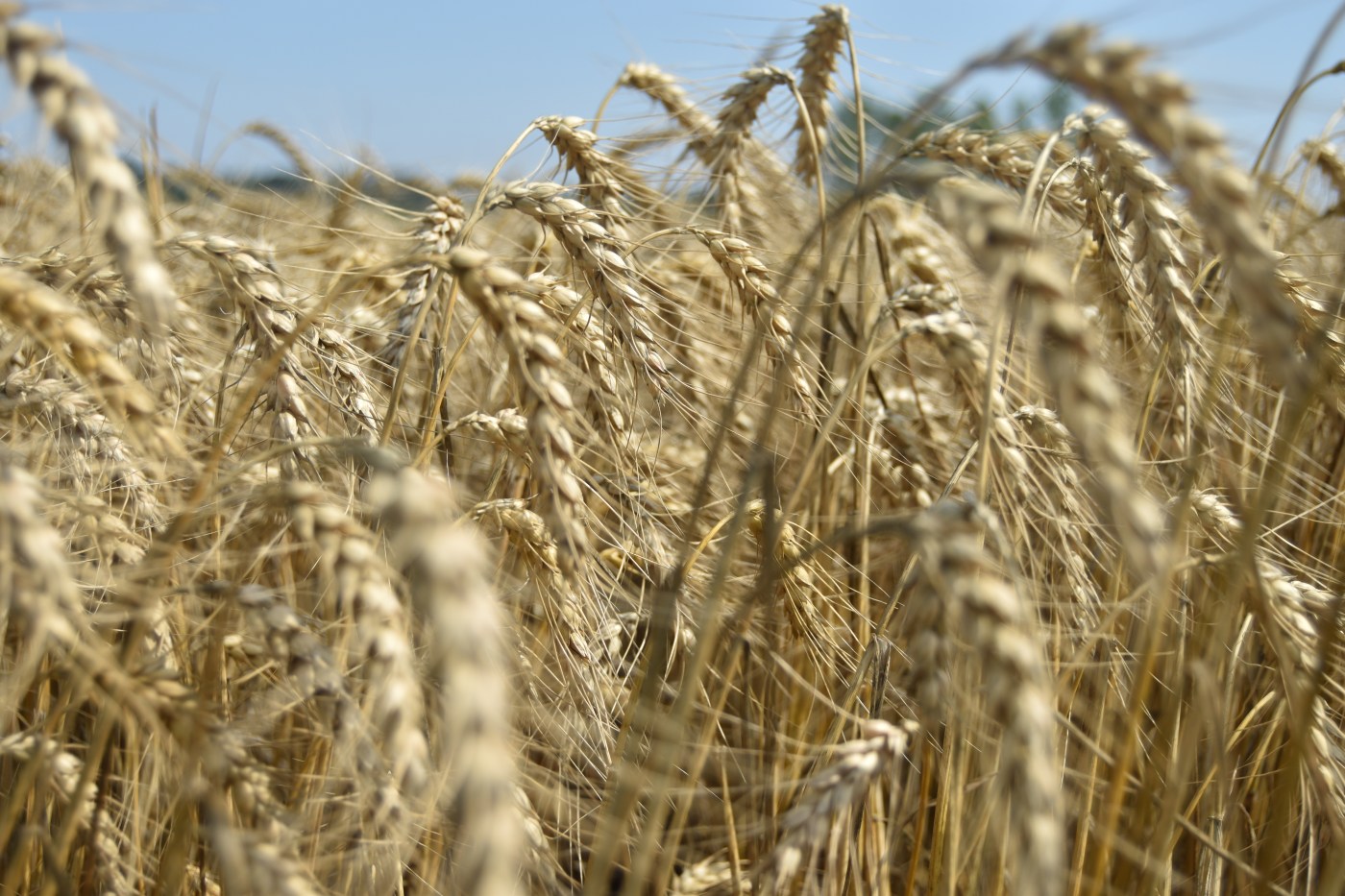
The importance of eating wheat cannot be overstated. Wheat is one of the most widely consumed and versatile grains, providing a significant source of nutrition and energy for people around the world. Whether it’s in the form of whole wheat bread, pasta, or cereals, this grain offers a range of health benefits that contribute to overall well-being.
One of the key advantages of wheat is its high fiber content. Fiber plays a crucial role in promoting a healthy digestive system by aiding in proper bowel movements and preventing constipation. Additionally, high-fiber diets have been associated with a reduced risk of heart disease, diabetes, and certain types of cancer.
Wheat is also a great source of essential vitamins and minerals. It contains significant amounts of B vitamins, including thiamin, riboflavin, and niacin, which are vital for energy metabolism and promoting a healthy nervous system. Furthermore, wheat is rich in minerals such as magnesium, zinc, and iron, which are necessary for various bodily functions, including immune support, blood production, and wound healing.
Another advantage of wheat is its versatility in culinary applications. From baking fluffy bread to creating delicious pastries, wheat provides the foundation for a multitude of mouthwatering recipes. Its gluten, a protein found in wheat, helps to give bread its structure and elasticity, making it a staple ingredient for baking enthusiasts worldwide.
It’s worth noting that while wheat is nutritious, individuals with gluten sensitivity or celiac disease should exercise caution or opt for gluten-free alternatives. For those without gluten-related concerns, incorporating wheat into a well-balanced diet can provide numerous health benefits.
In conclusion, eating wheat can be a beneficial dietary choice for many individuals. Its high fiber content, essential vitamins and minerals, and culinary versatility make it a valuable addition to a healthy and diverse eating plan. So, don’t hesitate to embrace the goodness of wheat and explore the countless delicious possibilities it offers in your daily meals.
Wheat is widely known and consumed around the world for its numerous health benefits. Here are some of the key reasons why incorporating wheat into your diet can be beneficial for your overall well-being:
- Rich in Nutrients: Wheat is packed with essential nutrients that are vital for good health. It is a great source of dietary fiber, B vitamins (such as thiamin, niacin, and folate), minerals like magnesium, zinc, and iron, and also contains antioxidants.
- Promotes Digestive Health: The high fiber content in wheat helps in maintaining a healthy digestive system. It aids in regular bowel movements, prevents constipation, and reduces the risk of developing certain gastrointestinal disorders.
- Heart Health: Whole wheat is known to be heart-friendly. The soluble fiber present in wheat helps in lowering cholesterol levels, reducing the risk of heart disease and stroke. It also contains antioxidants that protect against free radicals, which can contribute to cardiovascular problems.
- Weight Management: Including wheat in your diet can be beneficial for weight management. The fiber content helps you feel fuller for longer, curbing unnecessary snacking and overeating. Additionally, wheat has a lower glycemic index compared to refined grains, which means it can help stabilize blood sugar levels.
- Boosts Energy: Wheat is a great source of carbohydrates, which are the body’s primary source of energy. The complex carbohydrates in wheat provide sustained and slow-release energy, keeping you energized throughout the day.
- Supports Brain Function: The B vitamins found in wheat are important for brain health and function. Thiamin, niacin, and folate play a crucial role in cognitive development, memory, and overall brain function.
- Improves Skin Health: Wheat contains various antioxidants, minerals, and vitamins (such as vitamin E) that contribute to healthy and radiant skin. These nutrients help protect the skin from damage caused by free radicals and promote a youthful complexion.
- May Lower the Risk of Chronic Diseases: Studies suggest that a diet rich in whole grains, like wheat, is associated with a reduced risk of developing chronic diseases such as type 2 diabetes, certain types of cancer (such as colon cancer), and even some mental health conditions.
Remember to consult with a healthcare professional or nutritionist before making any significant changes to your diet. Incorporating whole wheat and other whole grains into your meals can be an excellent way to support your overall health and well-being.
 DoctorPanie
Leave a comment