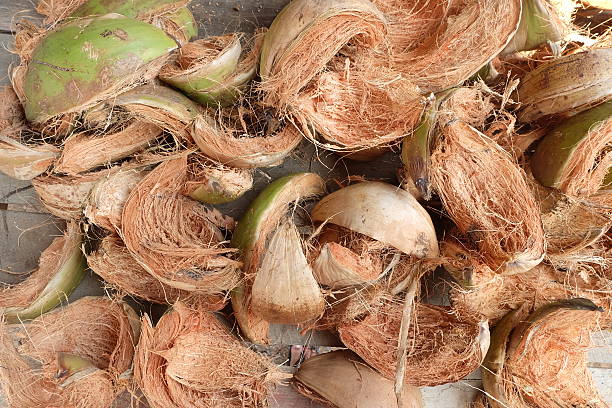
Coconut husk, also known as coir, is a versatile natural material with several beneficial properties. One of its remarkable qualities is its potential to combat fungi. The fibrous and nutrient-rich composition of coconut husk makes it an excellent natural defense against fungal growth.
Coconut husk contains a substance called lignin, which possesses fungicidal properties. Lignin acts as a protective barrier and inhibits the growth and spread of fungi. This natural defense mechanism helps prevent the colonization of various fungi that can cause infections or diseases in plants, including harmful pathogens such as Phytophthora and Fusarium.
Moreover, coir has excellent water retention capabilities, allowing it to maintain a well-balanced moisture level in the soil. By retaining moisture, coconut husk creates an environment that is less favorable for the growth and proliferation of fungi. The prevention of excess moisture in the soil can help control fungal diseases such as root rot and damping-off.
Aside from its fungicidal properties, coconut husk is also a sustainable and eco-friendly alternative to traditional soil amendments. It is a byproduct of the coconut industry, making use of waste materials that would otherwise be discarded. By utilizing coconut husk as a growing medium or soil amendment, you can promote environmental sustainability while benefiting from its fungicidal properties.
In summary, coconut husk possesses natural fungicidal properties due to its composition and lignin content, making it an effective deterrent against fungal growth. Additionally, its water retention abilities contribute to creating an unfavorable environment for fungi. Embracing the use of coconut husk can not only help combat fungi but also promote sustainable gardening and horticultural practices.
How To Use Coconut Husk To Fight Skin Fungi
When treating skin fungal infections, coconut husk can be used in different ways. One effective method is to create a paste by grinding coconut husk into a fine powder and mixing it with a few drops of coconut oil. This paste can then be applied directly to the affected areas, such as the feet, groin, or underarms. The antifungal properties of the husk help inhibit the growth of fungi, reducing itching, redness, and inflammation.
For a soothing and detoxifying bath, you can also make use of coconut husk. Boil a handful of coconut husk in water for 15-20 minutes, then strain the liquid and add it to your bathwater. Soaking in this herbal-infused water helps eradicate fungal infections on the skin while nourishing and hydrating the skin cells.
Apart from treating current infections, coconut husk can also be used preventively. Regular exfoliation with a coconut husk scrub helps remove dead skin cells, preventing the accumulation of moisture and potential growth of fungi. This not only maintains healthy, infection-free skin but also leaves it feeling soft and rejuvenated.
In addition to its direct application on the skin, coconut husk can also be consumed internally for its antifungal benefits. Coconut husk tea is a popular remedy that can be prepared by boiling grated coconut husk in water and straining it before consumption. This tea helps boost the immune system, aiding in the body’s defense against fungal infections.
Remember, while coconut husk can be a beneficial addition to your antifungal regimen, it is always important to consult with a healthcare professional, especially if you have any underlying medical conditions or allergies.
Harness the power of this natural remedy and bid farewell to skin fungal infections with the help of coconut husk. Embrace the wonders of nature for healthier, happier skin!
Coconut Husk Tea
Coconut husk tea is not only delicious but also offers a wide range of health benefits. This unique tea is made from the fibrous outer layer of the coconut, known as the husk.
One of the primary benefits of coconut husk tea is its high fiber content. Fiber is essential for digestive health, as it helps to regulate bowel movements and promote a healthy gut. It can also aid in weight management by helping you feel fuller for longer, reducing overeating and cravings.
Additionally, coconut husk tea is rich in antioxidants, which can help protect the body against free radicals and oxidative stress. Antioxidants play a crucial role in maintaining overall health and may help reduce the risk of chronic diseases such as heart disease and certain types of cancer.
Drinking coconut husk tea can also be beneficial for those concerned about their blood sugar levels. The tea has been found to have a positive impact on blood sugar control, potentially aiding in the management of conditions like diabetes.
Another advantage of coconut husk tea is its natural hydrating properties. It can help replenish the body’s electrolytes and provide a refreshing and replenishing beverage option.
To enjoy coconut husk tea, simply steep the husk in boiling water for a few minutes, strain, and enjoy! You can also add a touch of honey or lemon for added flavor if desired.
In conclusion, coconut husk tea is a delicious and nutritious beverage that offers a multitude of health benefits. From supporting digestive health to providing antioxidant protection, this unique tea is a great addition to any wellness routine. So why not give it a try and experience the goodness of coconut husk tea for yourself?
 DoctorPanie
Leave a comment