Banaba is a kind of crepe myrtle tree that is indigenous to Southeast Asia and the Philippines. People also utilise the leaves by using it for medicine. Banaba is used to treat diabetes and shed pounds. Very early study suggests that banaba may help persons with type 2 diabetes decrease their blood glucose levels. It could improve how effectively the body uses insulin.
Again, Serotonin, a vital hormone that regulates our mood and promotes emotions of well-being and pleasure, is found in bananas. Additionally, they contain a lot of vitamin B6, which helps the brain’s natural generation of serotonin. According to a 2008 study that appeared in the British Journal of Nutrition, participants who followed a high-potassium diet reported fewer signs of stress and depressive symptoms. Dr. Caroline Longmore claims that sadness may be associated with low levels of serotonin, and that tryptophan-rich foods, such as cottage cheese and bananas, can help raise your body’s serotonin levels. She advises consuming four bananas or more weekly.
Furthermore, A strong immune system may make the difference between life and death in these trying times. As a prebiotic food, bananas aid in the development of the beneficial gut flora, which in turn affects the body’s capacity to fight disease. According to research, the immune system is maintained by consuming enough protein, vital fatty acids, and at least 11 vitamins and minerals. One medium banana has 2% of the daily required amounts of iron, zinc, Vitamin A, selenium, and protein, which are five of the 11 nutrients. Additionally, it offers more of four other nutrients that are crucial for a healthy immunological response.
On women health, Bananas also include iron, which can help combat PMS exhaustion, melatonin, which promotes sleep and maintains our body’s natural cycles. Muscle cramping brought on by a shortage of potassium can be efficiently treated by eating a few bananas. Additionally, potassium helps to keep the body from retaining water, which is very beneficial for women. Bananas include vitamin B6, which helps the body make red blood cells that are beneficial during menstruation.
On the contrary, Banana’s may contain some acidic contents, it can help cure stomach ulcer. By assisting in the formation of the stomach’s protective lining, which acts as a barrier against stomach acid, bananas may defend the stomach.
Additionally, the fruit includes substances known as protease inhibitors, which have the potential to eradicate microorganisms in the stomach, including those responsible for ulcers. (10), but further study is required to determine how and how much to use it.
TYPES OF BANANA
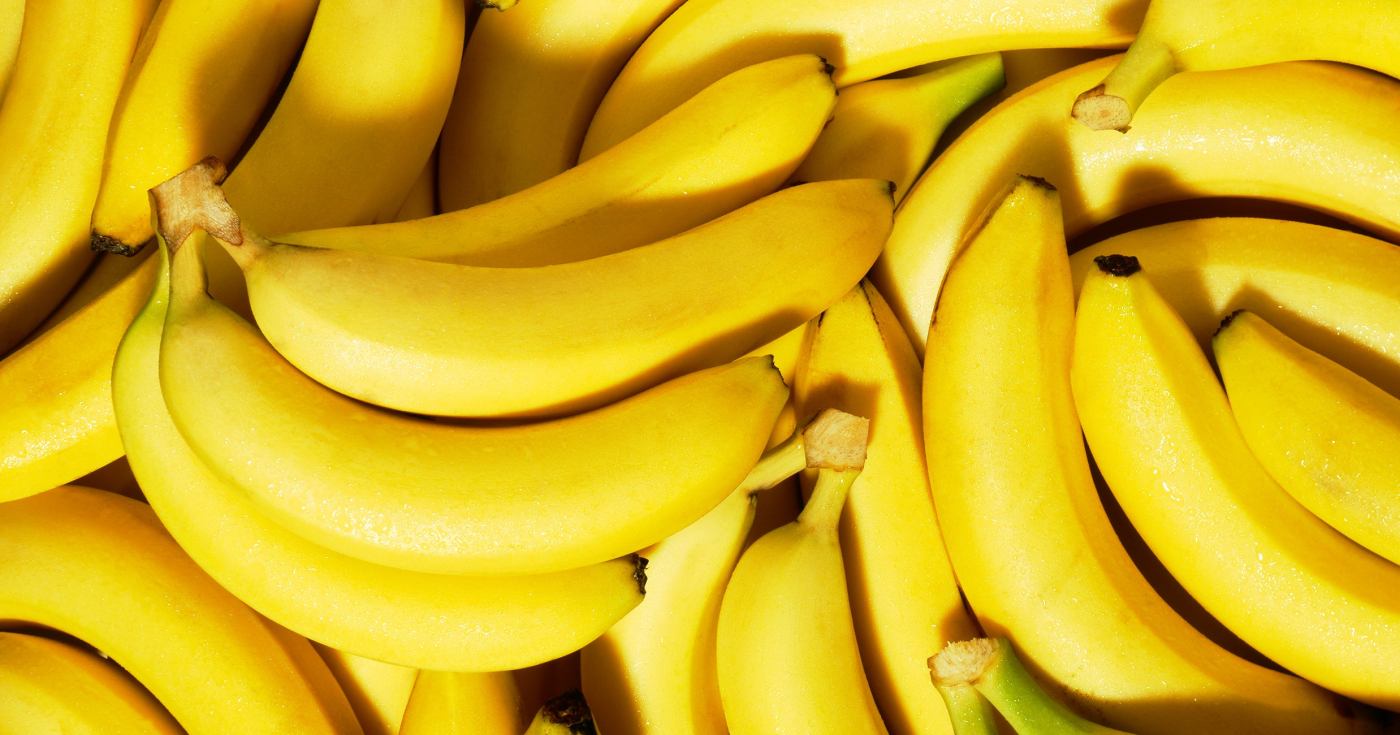
- Banana (Cavendish): This common banana has green or yellow skin that eventually becomes brown and black. It is somewhat delicious when mature.
- Green plantain: This banana is bigger, less sweet, and higher in starch. Cooks frequently utilise it.
- Manzano: Compared to the traditional Cavendish banana, this fruit is frequently smaller and sweeter. It tastes like a regular banana with a touch of apple.
- Crimson banana: This banana has a dark red skin and is shorter and plumper.
- Banana burro: This fruit has a distinctive blocky form. It is thicker and shorter as well.
NUTRITIONAL CONTENT OF A BANANA
- Calories 105
- protein in 1 g
- 0 fat
- 27 grammes of carbs, 3 grammes of which are fibre.
- 422 mg, or 12% of your daily need, for potassium
- 26 mg, or 3% of your daily requirements, of phosphorous
- 10 mg, or 6% of your daily needs, of vitamin C
- 24 mcg, or 6% of your daily requirements, of folate (2)
 DoctorPanie
Leave a comment